
If you’re looking to naturally boost your hair growth and improve the health of your scalp, rosemary oil could be your new best friend. It’s becoming a popular choice among hair care enthusiasts for its potential to promote hair growth, reduce thinning, and give your hair a shiny, healthy look.
In this guide, we’ll show you how to use rosemary oil for hair growth effectively. We’ll dive into why rosemary oil is so beneficial for your hair, explore simple ways to apply it, and answer some common questions. By the end, you’ll have all the information you need to add rosemary oil to your hair care routine.
Why is Rosemary Oil So Popular for Hair Growth?
Rosemary oil has been around for centuries, and it’s finally getting the attention it deserves in the hair care world. The reason? Rosemary oil has a long history of use in both traditional medicine and scientific research, which has revealed some impressive benefits for hair health.

Scientific Backing: Rosemary oil is rich in an active compound called carnosic acid. This substance promotes blood circulation to the scalp, allowing more oxygen and nutrients to reach your hair follicles.
More blood flow means better hair growth! Plus, it has anti-inflammatory properties that help keep your scalp healthy, reducing dandruff and irritation.
Traditional Use: For centuries, people have used rosemary to improve hair health. It was known in ancient cultures for its ability to make hair shinier, thicker, and stronger. It’s no wonder this oil has stood the test of time!
What is Rosemary Oil? Understanding Its Powerful Properties for Hair Growth
Before diving into how to use rosemary oil for hair growth, let’s first understand what rosemary oil is and why it’s so beneficial for your hair.
This powerful essential oil has been around for centuries, offering a range of benefits, especially when it comes to hair health. But what exactly makes it so special?
What Is Rosemary Oil?

Rosemary oil is an essential oil derived from the leaves of the rosemary plant (Rosmarinus officinalis). The oil is extracted through steam distillation, a process that helps preserve its powerful natural compounds.
The resulting oil is rich in antioxidants, anti-inflammatory agents, and antibacterial properties, making it a potent solution for many hair and scalp issues.
It’s known for its refreshing scent and is widely used in aromatherapy, but its benefits for hair growth are truly remarkable.
Rosemary Oil’s Historical Use
Rosemary has a long history of being used for health and beauty purposes. In folk medicine, it was considered a remedy for many things, from digestive issues to poor circulation.
It’s especially famous in ancient cultures like the Greeks and Romans, who used it to improve memory, enhance mood, and promote healthy hair.
Over the centuries, rosemary was also used as a remedy for hair loss and thinning. Its ability to stimulate blood circulation to the scalp made it a popular choice for promoting thicker and healthier hair.
The Active Ingredients in Rosemary Oil
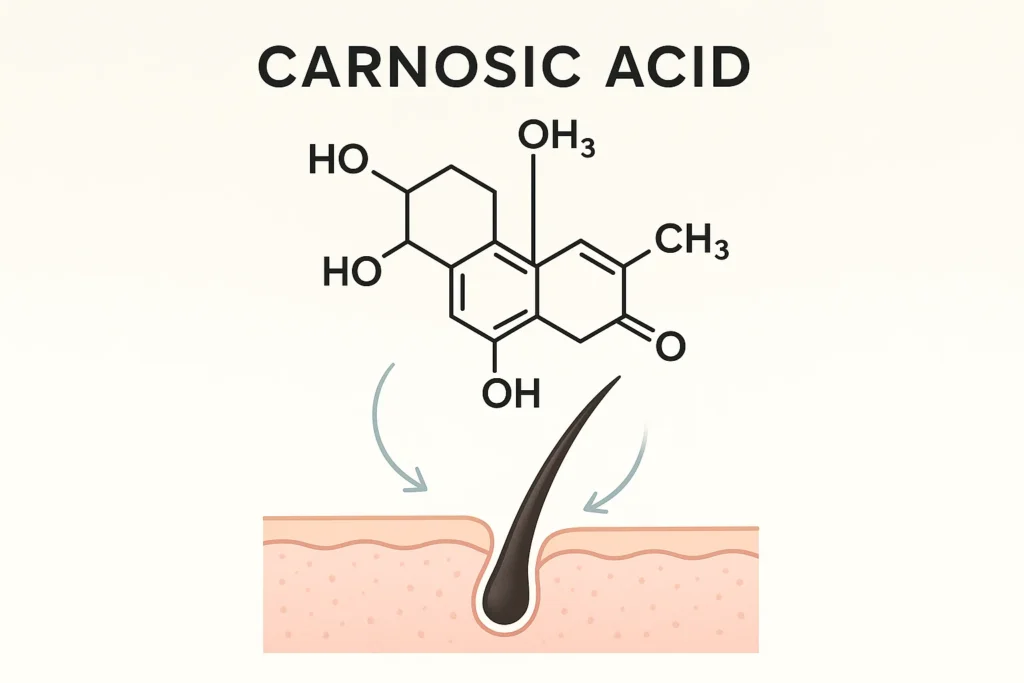
Now, let’s get into the science behind why rosemary oil is so effective for hair growth. The magic lies in its active compounds, especially carnosic acid, which has powerful antioxidant properties.
Carnosic acid helps protect the hair follicles from oxidative stress, a major factor in hair loss.
By improving blood flow to the scalp, it helps nourish the hair follicles, promoting faster hair growth and thicker hair.
Is Rosemary Oil Safe for Everyone?

Before using rosemary oil, it’s important to know if it’s safe for you. Rosemary oil is generally considered safe for most people when used properly.
Many new moms often ask me: “Can I use rosemary oil while breastfeeding?” My best advice is to have a quick chat with your healthcare provider first. Rosemary oil is natural, but when it comes to essential oils and breastfeeding, it’s always wise to play it safe.
A little extra caution can give you peace of mind while you focus on your baby.
The Amazing Benefits of Rosemary Oil for Hair Growth
Rosemary oil isn’t just another beauty trend. It has real benefits for your hair, many of which are backed by both traditional wisdom and modern scientific research.
If you’re looking to boost hair growth, strengthen your hair, or even delay premature graying, rosemary oil can help. Let’s dive into the specific ways rosemary oil works wonders for your hair.
a) Promotes Hair Growth
One of the biggest reasons people use rosemary oil for hair growth is because it stimulates blood circulation to the scalp. When blood flow increases, more nutrients and oxygen reach the hair follicles, which encourages new hair growth and strengthens existing hair.
Studies have shown that rosemary oil can increase the size and activity of hair follicles, leading to thicker and healthier hair. It’s often compared to minoxidil, a popular hair regrowth treatment, with similar results.
For example, in a study published in 2015, participants who used rosemary oil for six months saw a significant increase in hair growth, especially in those dealing with androgenetic alopecia (a type of hair loss).
b) Prevents Hair Thinning
Rosemary oil is great for preventing hair thinning, especially for people experiencing the early signs of hair loss. The active compounds in rosemary oil, particularly carnosic acid, strengthen the hair follicles, reducing the risk of hair shedding.
c) Reduces Dandruff
Nobody likes a flaky scalp! Rosemary oil’s antimicrobial properties make it an effective treatment for reducing dandruff and scalp irritation. It helps balance the scalp’s natural oils and reduces dryness, which is a common cause of dandruff.
By using rosemary oil regularly, you can keep your scalp hydrated and healthy, preventing the build-up of dead skin cells that lead to dandruff. Plus, the soothing properties of rosemary oil help calm an irritated or inflamed scalp.
d) Delays Premature Graying
If you’re worried about premature graying, rosemary oil may offer a natural solution. Some studies suggest that the antioxidants in rosemary oil help slow down the aging process of hair, keeping your locks looking youthful for longer.
Rosemary oil works by stimulating melanin production, the pigment responsible for the color of your hair. By promoting melanin, rosemary oil can potentially delay premature graying and help maintain your hair’s natural color.
Many people use rosemary oil as part of a hair care routine to help keep their hair looking vibrant and full of life, well into their later years.
Rosemary Oil vs. Other Hair Oils
While both castor oil and peppermint oil are popular for hair growth, rosemary oil stands out for its gentler and multi-benefit approach. Unlike castor oil, which can be heavy and difficult to rinse out, rosemary oil is lighter and easier to use.
It also promotes blood circulation for better nutrient absorption in hair follicles. Compared to peppermint oil, which has a stronger cooling effect, rosemary oil offers a milder stimulation, making it ideal for sensitive scalps. Plus, it has antioxidant properties that protect hair follicles from damage, offering a more balanced solution for overall hair health.
Scientific Evidence Supporting Rosemary Oil for Hair Growth
When it comes to hair care, it’s important to know that the products you use are backed by more than just good intentions. Rosemary oil isn’t just a traditional remedy, it’s supported by scientific research showing its effectiveness for hair growth. Let’s take a closer look at the studies and evidence that highlight the power of rosemary oil for your hair.
Studies and Research: What the Experts Say
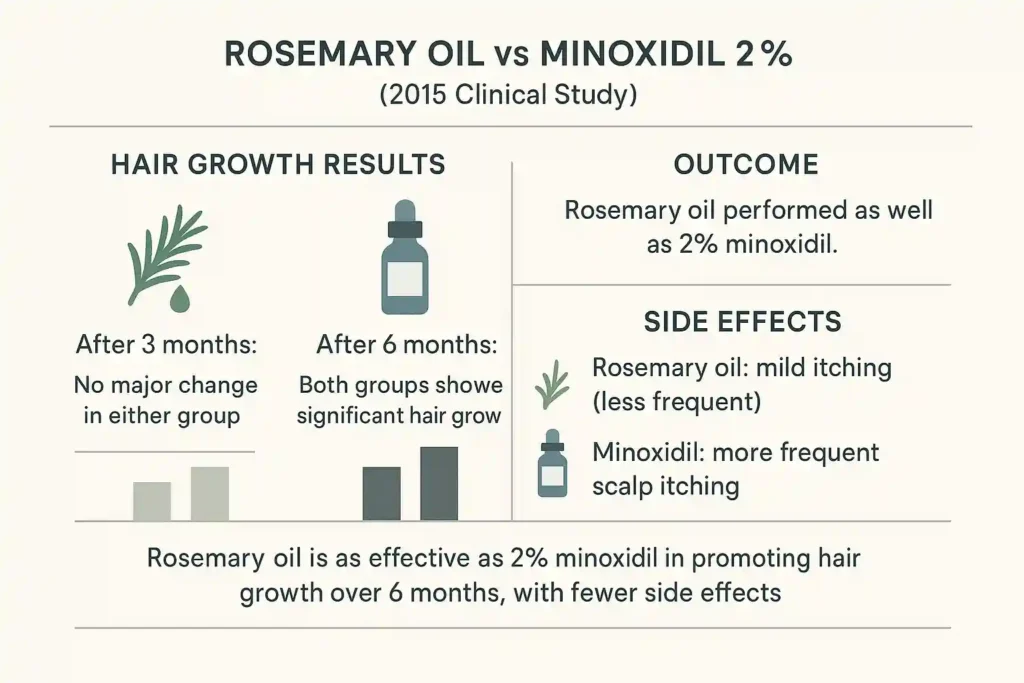
Several studies have shown that rosemary oil can have a significant positive impact on hair growth. One of the most notable studies was conducted in 2015, where rosemary oil was compared to minoxidil, a popular FDA-approved treatment for hair loss.
In this study, rosemary oil was found to be just as effective as minoxidil in promoting hair growth for individuals with androgenetic alopecia (a type of hair loss). After 6 months of use, participants using rosemary oil saw a significant increase in hair count, similar to those using minoxidil.
This research shows that rosemary oil’s benefits for hair growth aren’t just anecdotal. They are backed by science, offering solid proof that it can help people struggling with hair thinning or hair loss.
How Does Rosemary Oil Work?
Rosemary oil works its magic primarily through improved blood circulation to the scalp. When applied to the scalp, it stimulates the blood vessels and increases the flow of oxygen and nutrients to hair follicles. This improved circulation is essential for stimulating hair growth and strengthening existing hair.
The key ingredient in rosemary oil, carnosic acid, plays a major role in this process. Carnosic acid is an antioxidant that helps protect hair follicles from damage caused by free radicals, while also stimulating the regeneration of healthy cells in the scalp.
This makes rosemary oil a natural, gentle, and effective option for promoting hair health and growth.
What Are the Side Effects of Rosemary Oil?
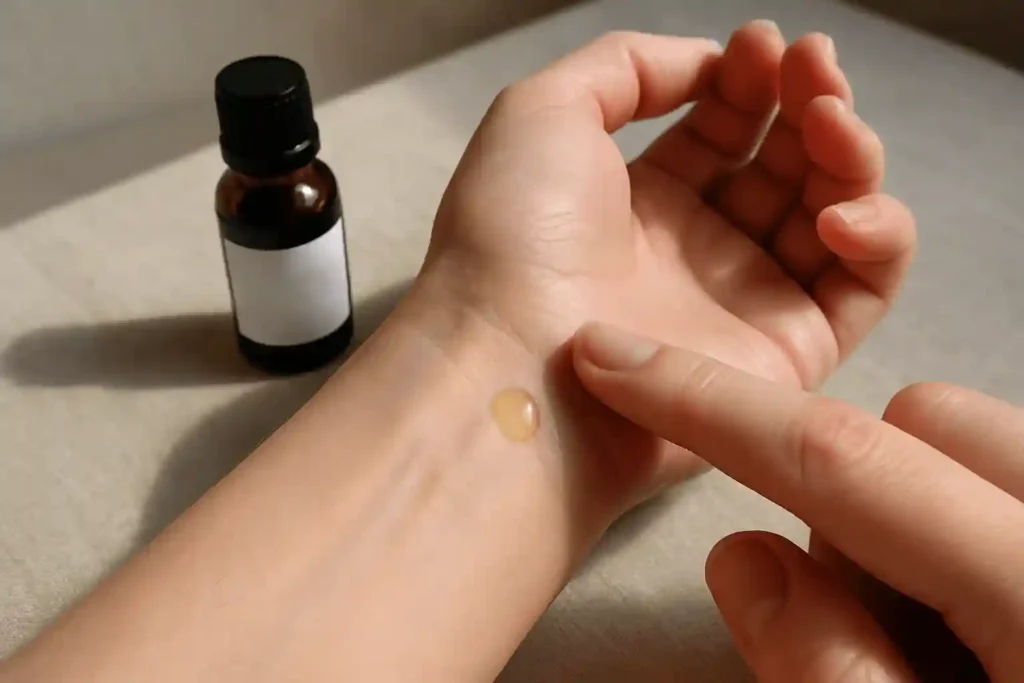
Like any product, rosemary oil can cause some side effects if used incorrectly.
Most people tolerate it well, but it’s important to dilute the oil with a carrier oil, like coconut or jojoba oil, before applying it to the scalp. This prevents potential skin irritation.
While side effects are rare, some individuals might experience scalp irritation, allergic reactions, or mild redness. If this happens, discontinue use and consult with a healthcare provider.
It’s also important to note that overuse of rosemary oil can lead to dryness or irritation. As with any natural product, moderation is key.
How to Use Rosemary Oil for Hair Growth: Simple and Effective Methods
Now that you know the benefits of rosemary oil for your hair, it’s time to learn how to use it. Whether you’re new to essential oils or an experienced user, applying rosemary oil is easy and can easily fit into your hair care routine. Let’s explore the most effective ways to use rosemary oil for hair growth.
a) Direct Scalp Application
One of the most straightforward ways to use rosemary oil is by applying it directly to your scalp. Here’s how:
- Step 1: Mix 3-5 drops of rosemary oil with a carrier oil, such as coconut oil, jojoba oil, or argan oil. The carrier oil helps dilute the essential oil, preventing any irritation.
- Step 2: Gently massage the oil blend into your scalp for about 5 minutes. This massage not only distributes the oil but also stimulates blood circulation to the hair follicles.
- Step 3: Leave the oil on for at least 30 minutes, or even overnight, if you prefer. This gives the oil enough time to penetrate your scalp and nourish the hair follicles.
- Step 4: Wash your hair with a mild shampoo to remove the oil.
b) Add Rosemary Oil to Your Shampoo
If you prefer a simpler method, you can add rosemary oil directly to your shampoo or conditioner.
- Step 1: Add 2-3 drops of rosemary oil to your regular shampoo or conditioner.
- Step 2: Apply it to your hair as usual, making sure to focus on your scalp. Massage it in for a few minutes to stimulate the follicles.
- Step 3: Rinse it out thoroughly and style your hair as usual.
This method is perfect for people who want to incorporate rosemary oil into their daily routine without additional steps.
c) DIY Rosemary Oil Hair Mask
For an extra boost, try making a rosemary oil hair mask that nourishes both your scalp and hair.
- Step 1: Combine 3-4 drops of rosemary oil with 2 tablespoons of coconut oil (or your preferred oil).
- Step 2: Add 1 tablespoon of honey for extra moisture, especially if you have dry hair.
- Step 3: Apply the mixture to your scalp and hair, massaging it in gently.
- Step 4: Cover your hair with a shower cap or towel and leave the mask on for 20-30 minutes.
- Step 5: Rinse it out with lukewarm water and shampoo as usual.
This nourishing mask helps hydrate the scalp while promoting healthy hair growth.
d) Rosemary Oil Hair Rinse
For a quick and refreshing hair rinse, try using rosemary oil as a final rinse after shampooing. It helps stimulate the scalp and improve hair shine.
- Step 1: Add 5-6 drops of rosemary oil to a cup of warm water.
- Step 2: After shampooing, pour the mixture over your hair and massage it into your scalp.
- Step 3: Leave it in for a few minutes, then rinse with cool water.
This method gives your hair an extra layer of protection and nourishment while promoting growth.
e) Aromatherapy for Hair Health
Another way to enjoy the benefits of rosemary oil is through aromatherapy. By diffusing rosemary oil or massaging it into your scalp, you can improve circulation and reduce stress, which plays a key role in healthy hair growth.
- Step 1: Add 5-6 drops of rosemary oil to a diffuser and allow the scent to fill the room.
- Step 2: For a more direct approach, massage a drop or two into your scalp while gently massaging the oil in.
This method not only promotes hair growth but also helps you relax and enjoy a calming experience.
Tips for Best Results with Rosemary Oil
To get the best results from rosemary oil, consistency and the right application are key. Here are some easy tips to maximize its benefits for your hair:
1. Use Regularly
For optimal results, apply rosemary oil 2-3 times a week. Regular use helps ensure the active ingredients, like carnosic acid, can effectively boost hair growth.
2. Choose the Right Carrier Oil
Mix rosemary oil with a carrier oil like coconut, jojoba, or argan oil. These oils hydrate the scalp and make the rosemary oil more effective, preventing any irritation.
3. Stick to a Routine
Be patient, results typically take 6-8 weeks to appear. Make rosemary oil a part of your consistent routine, and you’ll notice healthier, stronger hair over time.
4. Perform a Patch Test
Before applying rosemary oil to your scalp, always do a patch test on a small area of skin to check for any allergic reactions or irritation.
Safety Considerations When Using Rosemary Oil for Hair Growth
Now as you know how to Use Rosemary Oil for Hair Growth. However, before you start using rosemary oil for hair growth, keep these important safety considerations in mind:

Combining Rosemary Oil with Other Hair Treatments for Enhanced Growth
While rosemary oil is a powerful treatment on its own, it can also work wonders when paired with other hair growth treatments. Here’s how you can combine rosemary oil with some common treatments to supercharge your results.
1. Minoxidil and Rosemary Oil
Minoxidil is one of the most popular FDA-approved treatments for hair loss. If you’re using minoxidil but want to boost its effects, try combining it with rosemary oil. Rosemary oil stimulates blood flow, which may enhance the absorption of minoxidil into your scalp, potentially improving results.
2. Low-Level Laser Therapy (LLLT)
Low-level laser therapy is another effective treatment for hair regrowth. When you use rosemary oil along with LLLT, the increased circulation from the oil and the light therapy can work together to stimulate hair follicles and promote healthy hair growth.
3. Dietary Supplements
For a more holistic approach, combine rosemary oil with dietary supplements that support hair health, like biotin or vitamin D. These vitamins and minerals nourish the hair from the inside, while rosemary oil targets the scalp directly, leading to more comprehensive care for your hair.
4. Other Essential Oils
You can also mix rosemary oil with other essential oils like peppermint or lavender to create a powerful hair care blend. These oils complement each other, with peppermint offering a cooling effect and lavender promoting relaxation and stress relief, both of which support healthy hair growth.
By combining rosemary oil with these treatments, you can create a more effective and well-rounded approach to hair growth.
Real-Life Results: Rosemary Oil’s Impact on Hair Growth
Many individuals have reported positive outcomes from using rosemary oil to combat hair loss and promote hair growth. While results can vary, several case studies and user experiences provide insight into its effectiveness.
Clinical Study Insights
A 2015 clinical trial involving 100 men with androgenetic alopecia (male pattern baldness) compared the effects of rosemary oil to 2% minoxidil over six months.
Both groups experienced a significant increase in hair count, with no significant difference between the two treatments. Notably, the rosemary oil group reported fewer instances of scalp itching, a common side effect associated with minoxidil
Mielle Organics’ 32-Day Rosemary Oil Hair Growth Transformation
On Instagram, Mielle Organics (@mielleorganics) shared a reel documenting the results of using their rosemary oil over a 32-day period. The post features clear before-and-after images, highlighting visible improvements in hair thickness, growth, and overall scalp health. Followers were impressed by the transformation, showcasing how consistent use of rosemary oil can make a noticeable difference in hair care routines.
While individual results may vary, these case studies and user experiences suggest that rosemary oil can be a beneficial addition to a hair care regimen aimed at promoting hair growth and reducing hair loss. As with any treatment, consistency and proper application are key to achieving the best results.
Conclusion: Why You Should Give Rosemary Oil a Try for Hair Growth
After exploring the benefits, uses, and real-life results of rosemary oil. it is clear that this natural remedy can be a powerful ally in your hair care routine. From stimulating hair growth to improving scalp health, rosemary oil offers a wide range of benefits that can help you achieve thicker, healthier hair.
Key Takeaways
Effective for Hair Growth: Rosemary oil has been shown to increase circulation to the scalp, promoting hair follicle activity and encouraging hair regrowth.
Versatile Application: You can use it in various ways, from direct scalp application to adding it to your shampoo or making a DIY hair mask.
Backed by Science: Studies, including the 2015 trial comparing rosemary oil to minoxidil, demonstrate its effectiveness in treating hair loss.
User-Approved: Many individuals have seen improvements in hair thickness and health by consistently using rosemary oil.
You may also love to read:
How Often Should You Wash Your Hair? Essential Hair Care Tips for Healthy Hair
Top 5 Best Shampoo for Oily Hair in 2025: Expert Picks & Proven Tips
How to Grow Your Hair Faster: 14 Scientifically Proven Tips for Long, Healthy Hair
Best Shampoo for Dry Hair: Top 5 Hydrating Shampoos & How to Use Them