
Say Goodbye to Greasy Roots
If you’ve ever washed your hair in the morning only to see it looking greasy by evening, you’re not alone.
Oily hair is one of the most common hair struggles, and it can be incredibly frustrating. That flat, heavy look not only affects your style but also your confidence.
The good news? There are smarter ways to manage it. The right shampoo for oily hair can make all the difference. These shampoos are designed to gently cleanse your scalp, remove excess oil, and keep your strands looking fresher for longer.
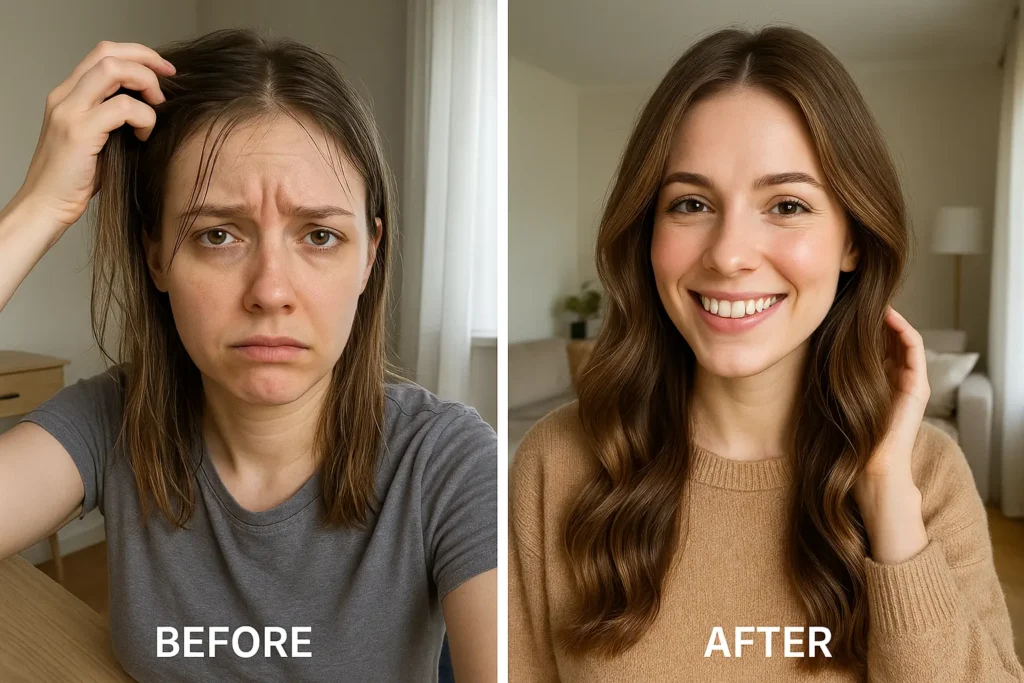
For example, instead of washing your hair twice a day, the right product can help you stretch washes while still feeling clean.
In this guide, we’ll walk you through the best shampoos for oily hair in 2025, explain how to choose the right one, and share simple tips to keep your hair balanced.
Think of this as your one-stop resource to finally get rid of greasy roots and enjoy fresh, healthy-looking hair every day.
The 5+ Best Shampoos for Oily Hair in 2025
Finding the right shampoo for oily hair can feel like trial and error. Some products strip your scalp too much, making it even oilier, while others don’t cleanse enough, leaving your hair greasy just hours later.
To save you the frustration, we’ve tested, researched, and rounded up the best shampoos of 2025 for every budget, scalp type, and hair concern. Let’s dive in!
1. Raw Sugar Scalp Restore – Best Overall Shampoo for Oily Hair
Formulated with jojoba oil, aloe, and niacinamide, this shampoo cleanses your scalp thoroughly while still keeping your hair soft and voluminous.
It’s gentle enough for regular use but effective enough to tackle oily roots.
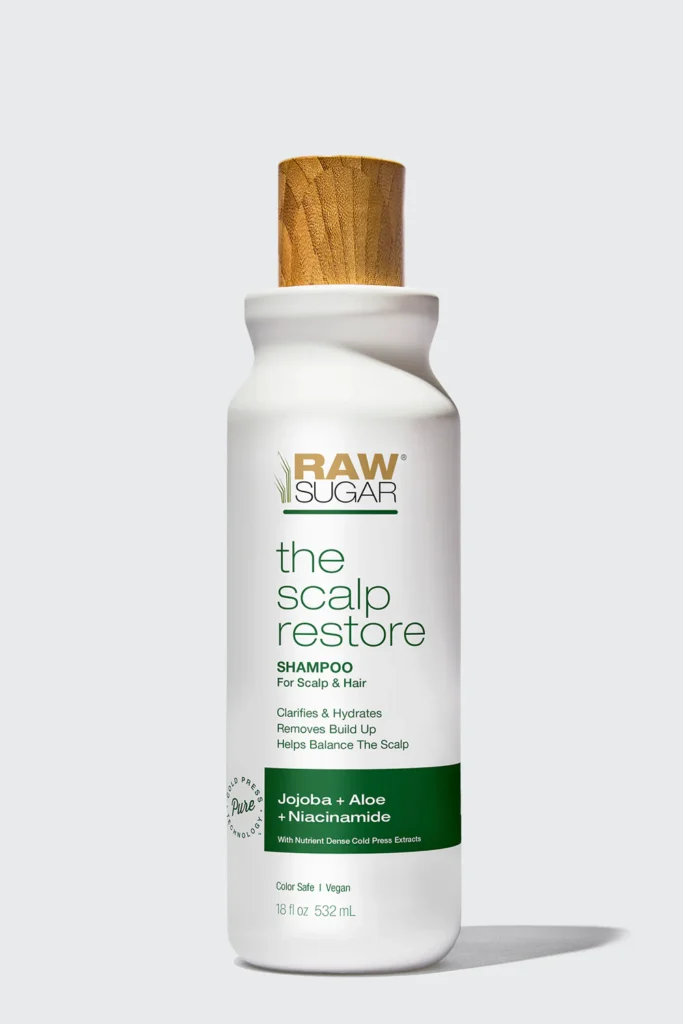
Price: $ 11.9
Pros:
- Gentle yet effective cleansing
- Hydrates without weighing hair down
- Pleasant, fresh scent
- Affordable price point
Cons:
- Packaging may lead to product wastage
Why We Love It:
The perfect balance between cleansing and moisturizing, great for daily use without over-drying.
2. Living Proof Clarifying Detox Shampoo – Best Clarifying Shampoo
If you deal with hard water, pollution, or heavy product use, this clarifying shampoo is a game-changer. With activated charcoal and a chelating agent, it deeply cleanses while keeping hair health in check.
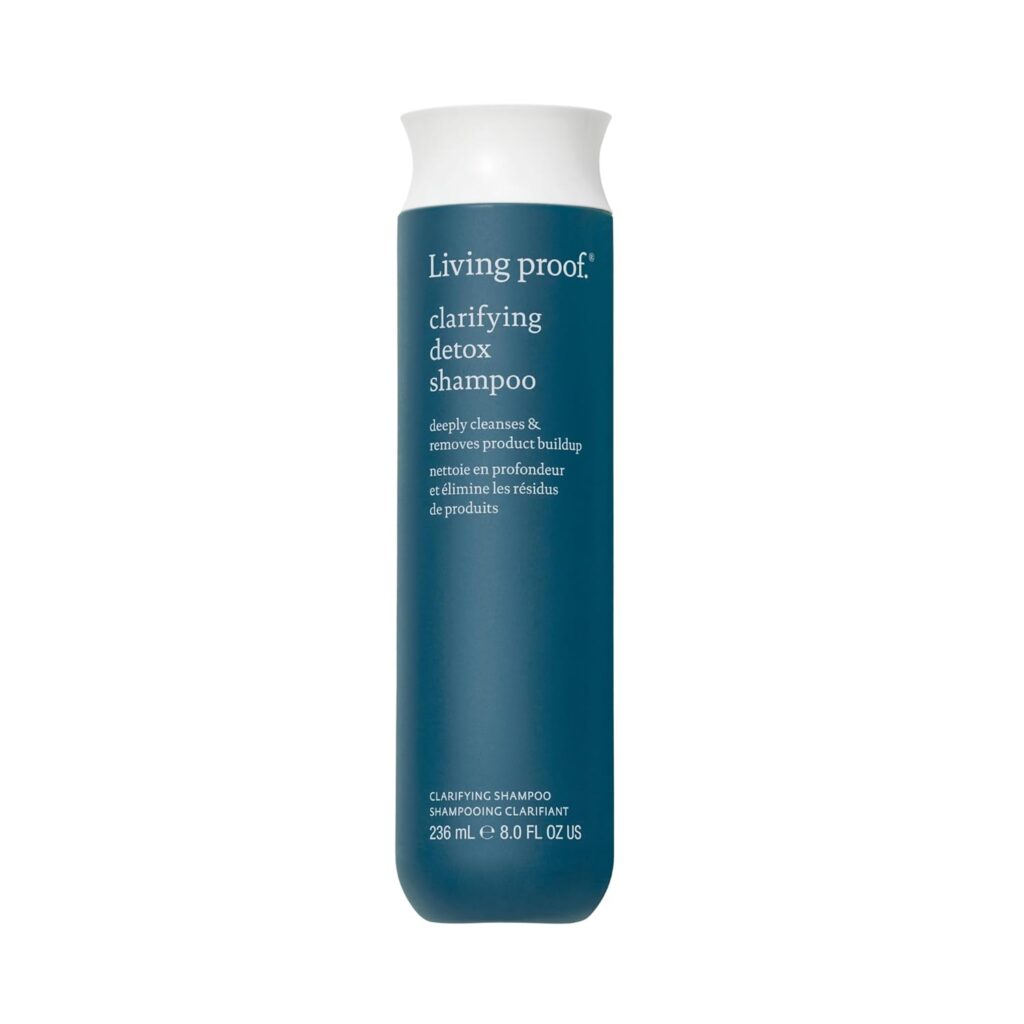
Price: $36
Pros:
- Deep cleansing action
- Works well on fine to wavy hair
- Handy hard water indicator included
Cons:
May feel slightly drying — pair with conditioner
Why We Love It:
A true detox for your scalp and hair, leaving everything refreshed and reset.
3. Garnier Pure Clean Shampoo – Best Drugstore Shampoo for Oily Hair
On a budget? This one proves that good care doesn’t have to cost much. Enriched with aloe extract, it refreshes your scalp while keeping your strands light and oil-free.

Price: $6
Pros:
- Very affordable
- Cleanses without stripping natural oils
- Refreshing fragrance
Cons:
- Not the best pick for very dry or damaged hair
Why We Love It:
A reliable everyday option that balances oil control with scalp care.
4. Kérastase Bain Divalent Balancing Shampoo – Best for Oily Roots & Dry Ends
Struggling with oily roots but dry, brittle ends? This shampoo was made for you. It deeply cleanses the scalp while nourishing the ends, so you get balance from root to tip.
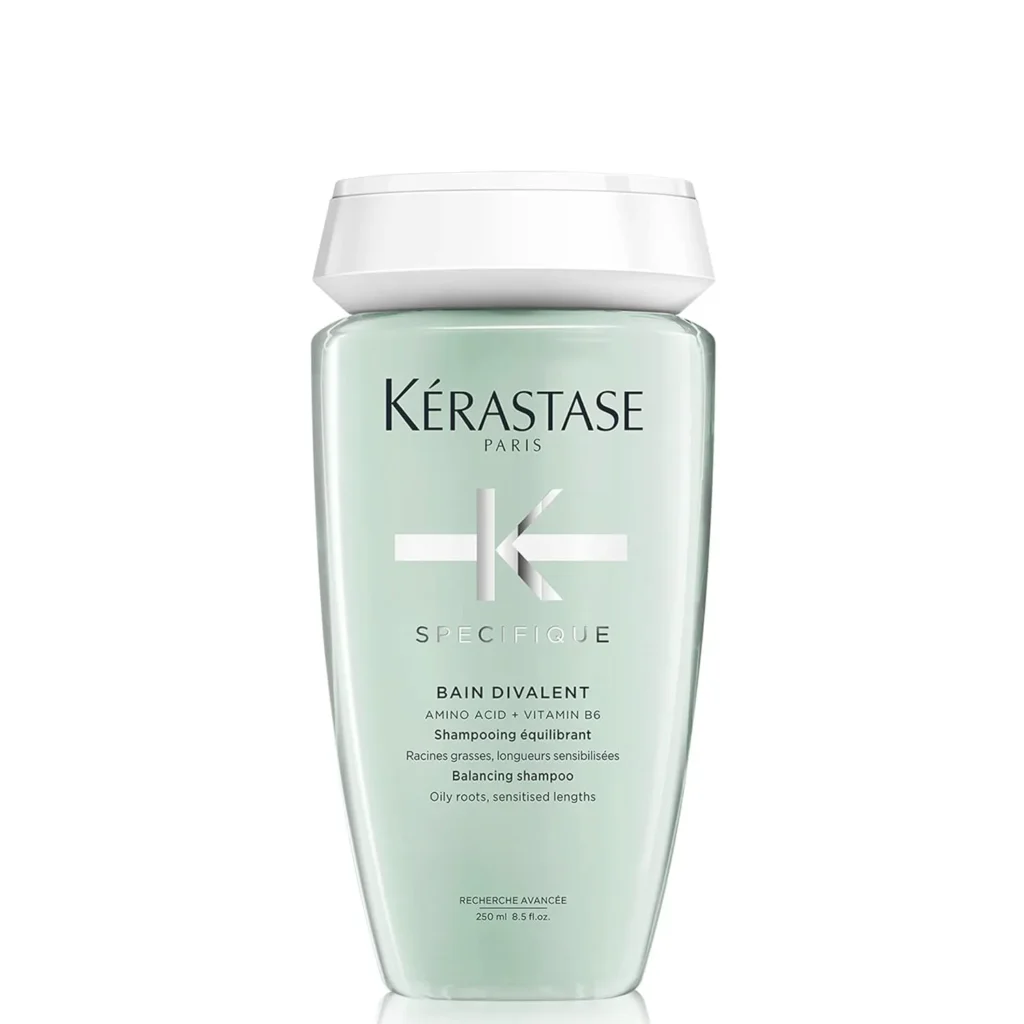
Price: $46
Pros:
- Tackles oily roots without drying ends
- Soft, hydrated finish
- Color-safe
Cons:
- High price point
Why We Love It:
It’s the perfect solution for combination hair types, keeping both scalp and ends happy.
5. Maple Holistics Degrease Shampoo – Best for Sensitive Oily Scalps
If your scalp gets irritated easily, this one’s worth a try. Made with lemon and rosemary oils, this sulfate-free shampoo gently controls oil without harsh chemicals.
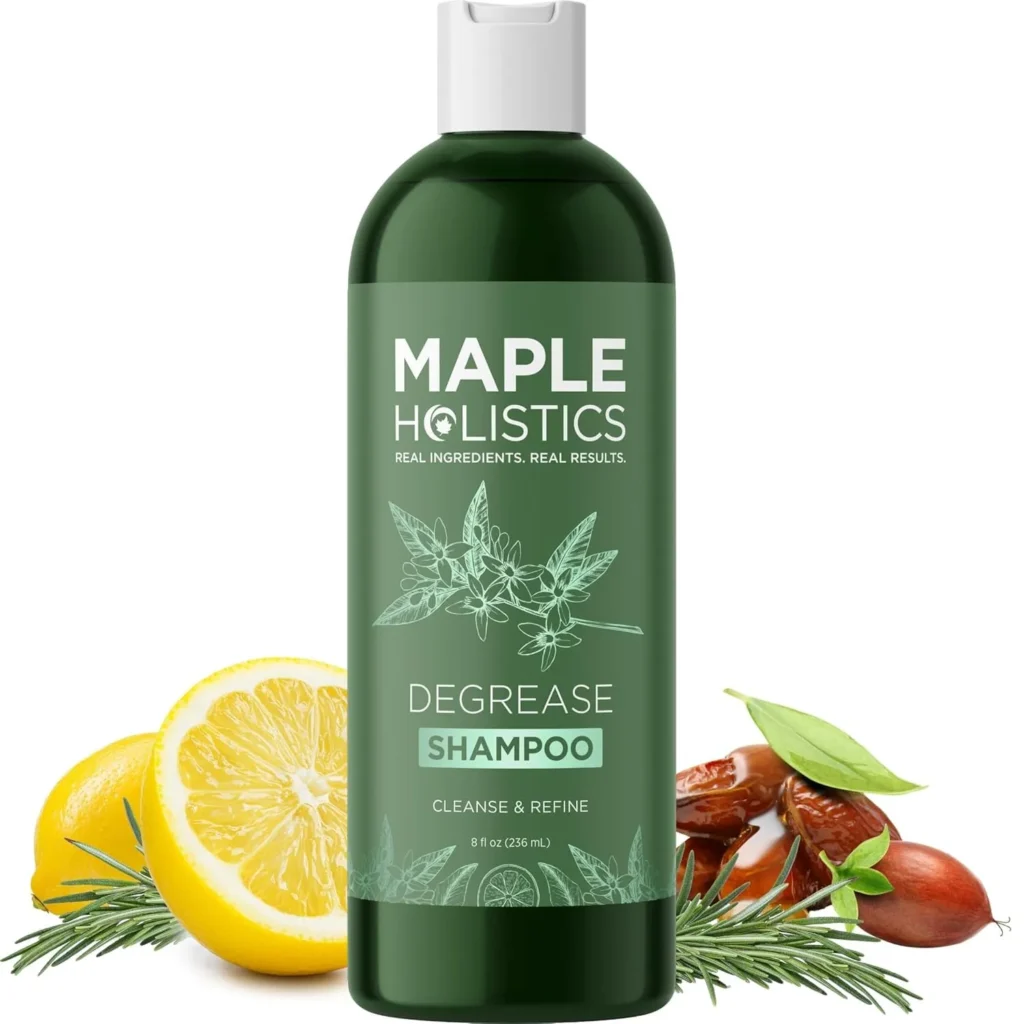
Price: $12.95
H4. Pros:
- Sulfate-free and gentle
- Infused with natural essential oils
- Suitable for sensitive skin
Cons:
- Might need two washes for heavy buildup
Why We Love It:
A natural, gentle solution that respects your scalp’s sensitivity while keeping oil at bay.
How to Choose the Right Shampoo for Oily Hair
Choosing the best shampoo for oily hair isn’t just about grabbing the first bottle labeled “oil control.” The truth is, not all oily scalps are the same. Some get greasy within hours, while others deal with buildup over a couple of days.
That’s why understanding what’s really happening on your scalp is the first step.
The Science of Oily Hair
Our scalp produces oil (sebum) to keep hair soft and protected. But sometimes, the sebaceous glands go into overdrive, leading to greasy roots, limp strands, and that “I just washed my hair, but it looks dirty again” feeling.
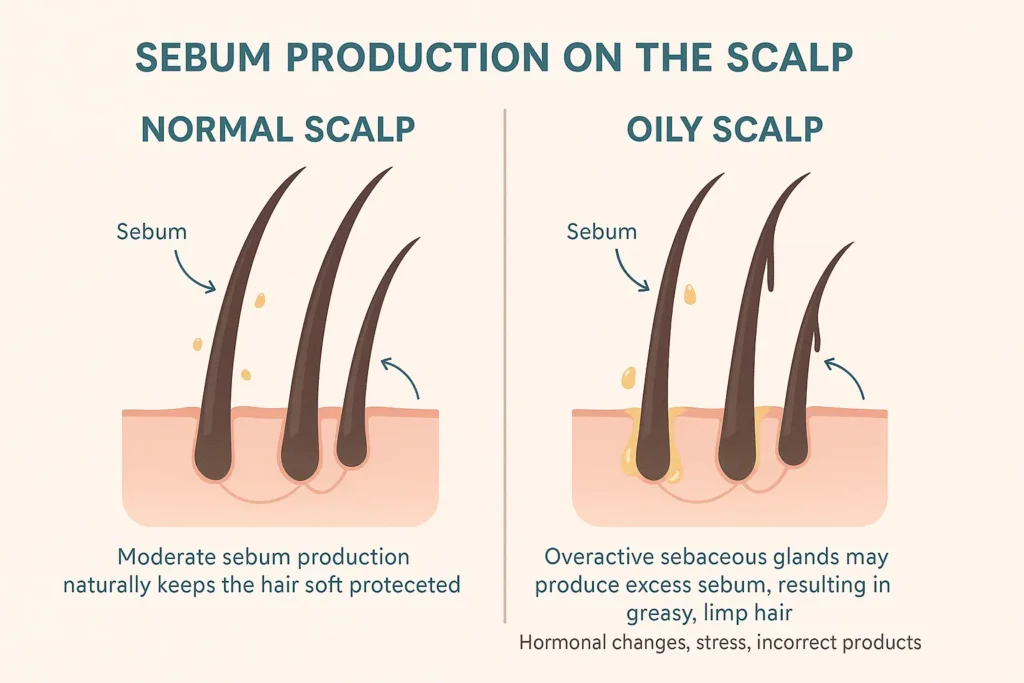
For example, teens often experience extra oiliness because of hormonal changes. Adults may notice the same issue due to stress, diet, or even using the wrong products.
Ingredients to Look For
When shopping for shampoo, scan the label for ingredients that help balance oil without stripping your scalp. Some of the most effective include:
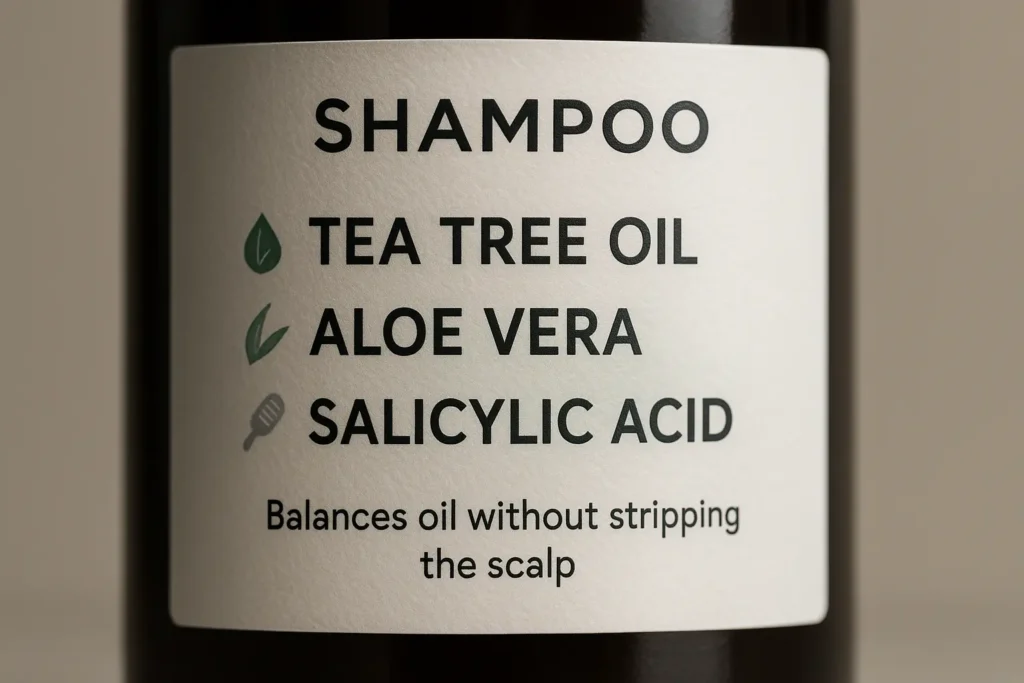
Tea tree oil – naturally clarifies and refreshes.
Salicylic acid – gently exfoliates the scalp.
Charcoal or clay – absorbs excess oil.
Aloe vera – soothes and hydrates without heaviness.
For example, a shampoo with salicylic acid can help remove buildup, while aloe vera ensures your scalp stays comfortable.
Ingredients to Avoid
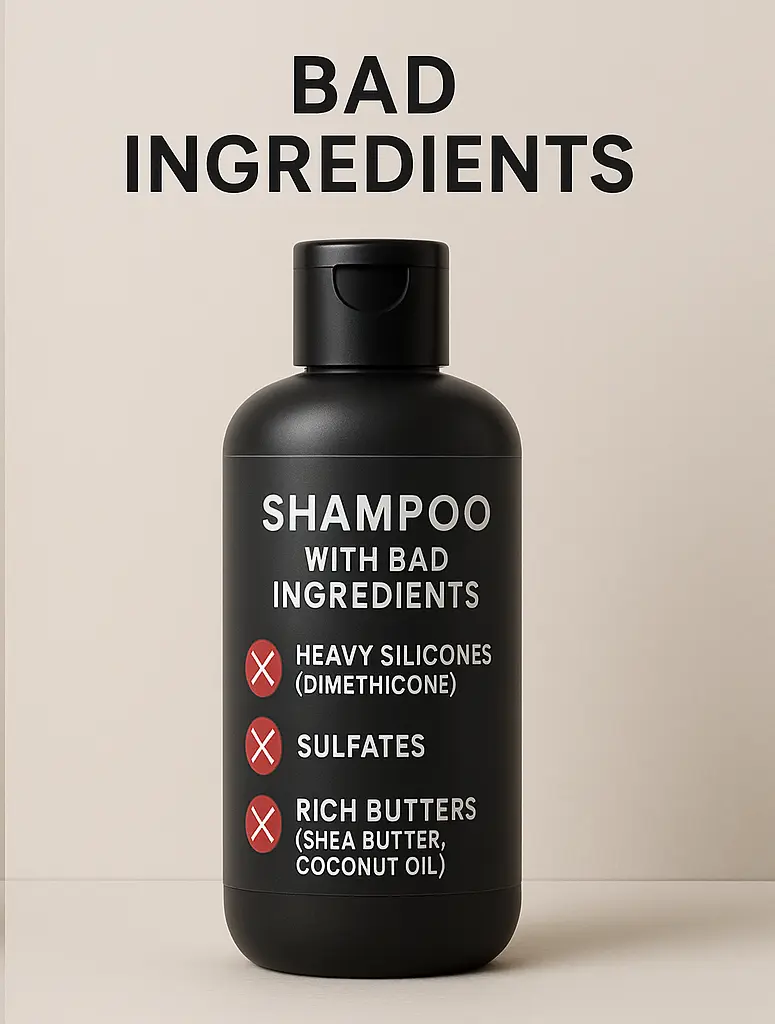
Not every ingredient is your friend when dealing with oily hair. Avoid:
Rich butters and oils (like shea butter or coconut oil) – great for dry hair but too heavy for oily scalps.
Heavy silicones (like dimethicone) – they coat hair, making it look greasy faster.
Sulfates in high amounts – they strip too much oil, causing rebound grease.
Expert Insight “When choosing a shampoo for oily hair, balance is everything. A good shampoo should cleanse without over-drying. Ingredients like tea tree oil or salicylic acid help regulate oil, while harsh sulfates can make the problem worse.”
Dr. Sarah Mitchell, Dermatologist & Hair Care Specialist
Can Using the Wrong Shampoo Make Hair Oilier?
Yes, absolutely. Using a shampoo that’s too harsh can strip your scalp of its natural oils. In response, your body produces more oil to compensate.
This is why some people feel stuck in a cycle of daily washes. The harsher the shampoo, the oilier the scalp becomes over time.
On the other hand, using a shampoo that’s too moisturizing may not cleanse properly, leaving hair flat and greasy.
The trick is balance. Look for a shampoo for oily hair that cleanses gently but effectively, helping your scalp find its natural rhythm.
Common Mistakes to Avoid
Washing too often — it only triggers more oil production.
Skipping conditioner completely — your ends still need moisture.
Using too much shampoo — a small amount is usually enough.
Avoiding these mistakes can go a long way toward keeping your hair fresh and balanced.
How Often Should You Wash Oily Hair?
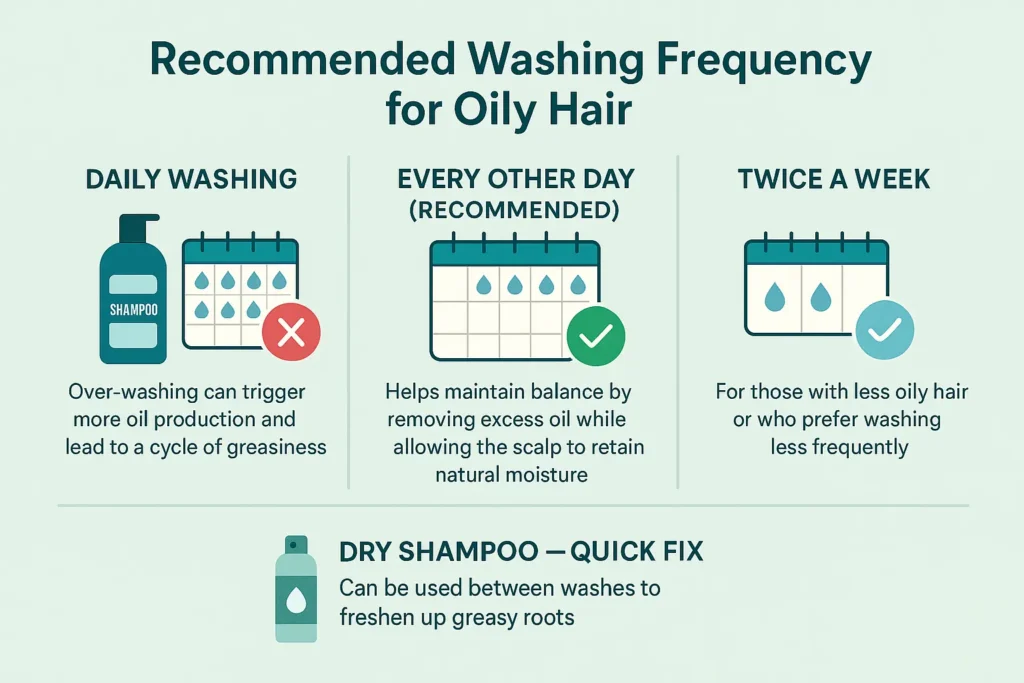
This is one of the most common questions people ask. Washing your hair every day might feel like the solution, but it can actually backfire.
When you shampoo too often, your scalp gets stripped of its natural oils. To make up for it, the sebaceous glands produce more oil, leaving you stuck in a never-ending wash cycle.
Most dermatologists recommend washing oily hair every other day or 3–4 times a week. If your hair feels greasy in between washes, try a dry shampoo as a quick fix. For example, a lightweight dry shampoo can refresh your roots before a night out without the need for another wash.
Recommended washing frequency
Lifestyle Habits That Affect Oily Hair
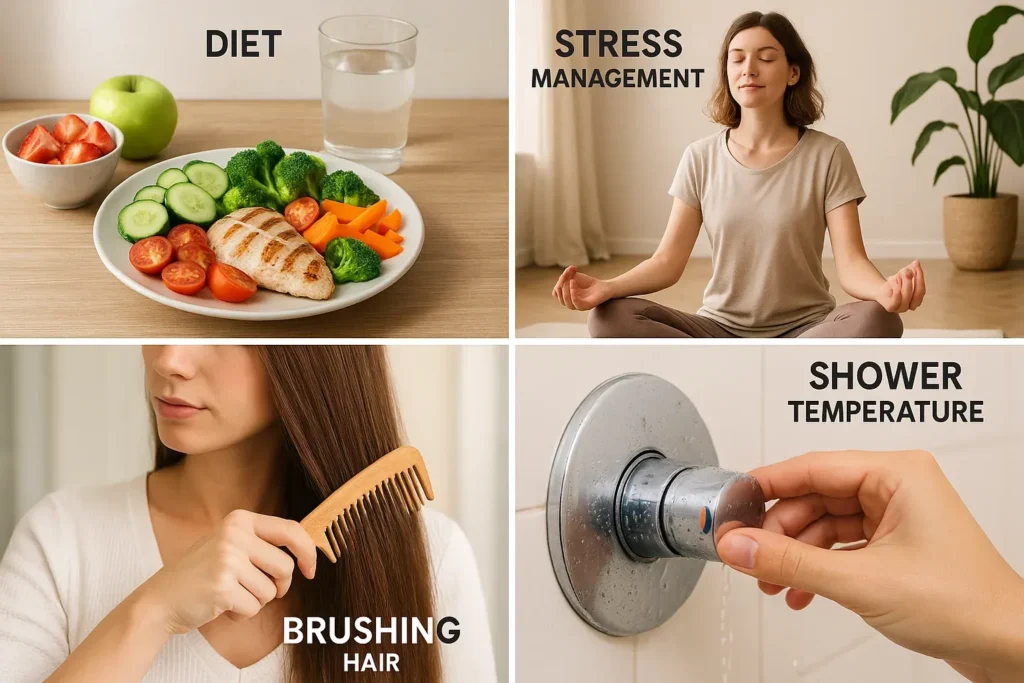
Your lifestyle plays a huge role in scalp health. Here are a few habits that make a difference:
Shower temperature – Hot water stimulates oil glands. Wash with lukewarm water instead.
Diet – Eating too much greasy or processed food may trigger excess oil production. Balance it with fruits, veggies, and plenty of water.
Stress – High stress can affect hormone levels, which in turn increases scalp oil. Relaxation techniques like yoga or meditation can help.
Brushing – Brushing too often spreads scalp oil through the strands. Use a wide-tooth comb and avoid over-brushing.
FAQs on Oily Hair & Shampoos
What shampoo is best for greasy hair?
The best shampoo for greasy hair is one that gently cleans without stripping your scalp. Look for formulas labeled “oil-control,” “clarifying,” or “balancing.”
For example, shampoos with tea tree oil, clay, or citrus extracts work well because they cut through excess oil but don’t dry your hair completely. Remember, the goal isn’t to remove all the oil, your scalp needs some natural oils for protection and shine.
Can natural shampoos really control oil?
Yes, but it depends on the ingredients. Natural shampoos with aloe vera, green tea, or apple cider vinegar can balance oil production. However, if your hair gets greasy very quickly, natural shampoos might feel too gentle and you may need to alternate with a stronger formula.
Think of it like diet choices, sometimes eating light works, but other times you need a proper meal to stay full.
Are clarifying shampoos safe for daily use?
Not really. Clarifying shampoos are strong cleansers meant to be used once a week or once every two weeks. Using them daily can dry out both your scalp and hair, which may actually trigger more oil production as your scalp tries to compensate.
A good approach is to mix things up, use your regular oily-hair shampoo most days, then switch to a clarifying one occasionally when your scalp feels heavy or coated.
Do men and women need different oily hair shampoos?
No, not necessarily. Oily hair shampoos work the same way for everyone, regardless of gender. The main difference often lies in fragrance or packaging, but the cleansing ingredients are usually very similar.
For instance, a man with short hair and a woman with long hair may both benefit from the same tea tree shampoo. What matters most is your scalp condition, not your gender.
Pingback: How to Grow Your Hair Faster: 14 Scientifically Proven Tips for Long, Healthy Hair - purellelife.com