
When it comes to hair washing, we’ve all asked ourselves this question: How often should you wash your hair?
Whether you’re trying to find the perfect balance for your hair care routine or just wondering if you’re doing it right, it can feel a bit tricky.
But don’t worry, you’re not alone in this dilemma. The answer isn’t always straightforward, and it varies from person to person.
Your hair type, scalp health, lifestyle and even the environment around you all play a big role in determining the ideal washing frequency.
So, let’s break it down and explore what works best for you.
1. Understanding Your Hair and Scalp
Before we dive into specific recommendations, let’s understand something crucial: your scalp’s health and hair type are key to determining how often you should wash your hair.
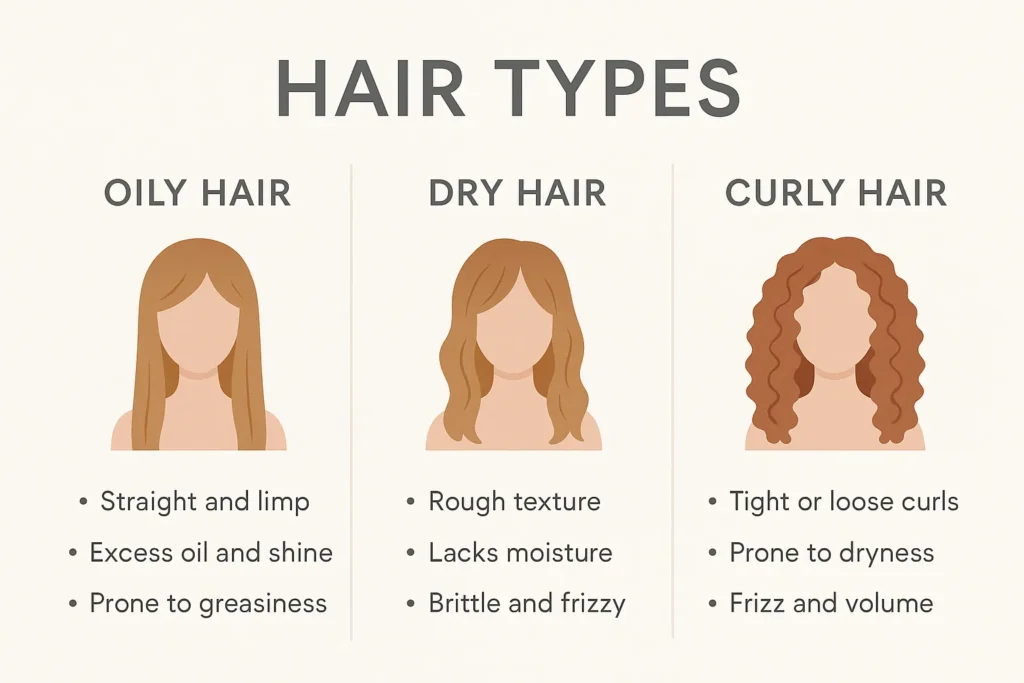
For example, people with oily hair tend to produce more sebum (natural oil), which means they might need to wash their hair more frequently.
On the other hand, people with dry, curly, or textured hair may find that washing too often strips their hair of those essential oils, leading to dryness and frizz.
General Guidelines for Hair Washing
So, how often should you wash your hair? Well, here’s a general guideline that works for most people:
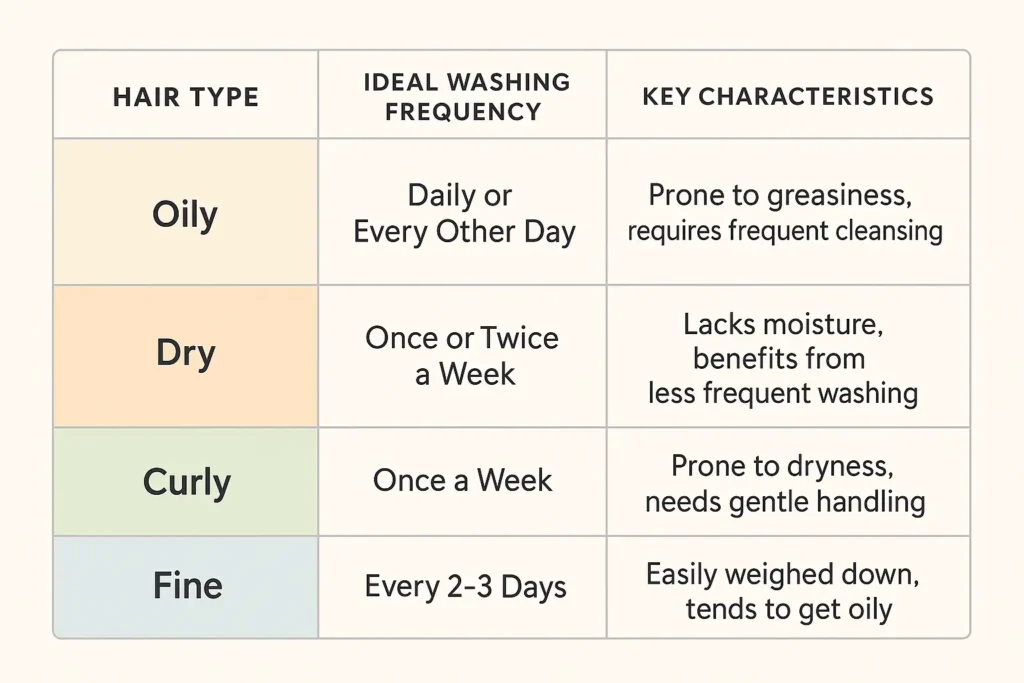
Fine Hair: If you have fine hair, it might get greasy faster, so washing every 2-3 days may be necessary.
Oily Hair: You may need to wash your hair every 1-2 days to avoid that greasy buildup.
Dry Hair: For dry hair, washing once or twice a week should be enough to preserve moisture.
Curly or Textured Hair: Curly hair tends to be drier, so washing once a week is usually the sweet spot.
What Affects Hair Washing Frequency?
Your hair type is a big part of the equation, but lifestyle factors also play a role. For example, if you are someone who works out often or lives in a humid climate, you might feel the need to wash your hair more frequently to remove sweat and buildup.

The Key Takeaway: It’s About Balance
The bottom line? The right hair washing routine is about finding balance. You don’t want to over wash, which can strip your hair of its natural oils and lead to dryness and breakage.
But you also don’t want to go too long without washing, as that can lead to greasy buildup, clogged hair follicles, and even scalp irritation.
2. The Right Frequency for Every Hair Type
When it comes to how often should you wash your hair, the answer isn’t one-size-fits-all. Everyone’s hair is different, and factors like your hair type, scalp condition and lifestyle can change how often you need to wash your hair.
But don’t worry, we’re here to break it down so you can find what works best for you. Whether you have oily, dry, curly, or fine hair, there’s a washing frequency that suits your unique needs.
The General Guidelines for Hair Washing
Here are some general guidelines to determine your ideal hair washing frequency based on hair type. Refer to the table.
Should You Wash Hair Less for Healthier Locks?
We’ve heard it before: washing your hair less frequently can make it healthier. But how true is this? Well, it can be true for certain hair types.
Hair washing too often can strip your scalp and hair of natural oils that are essential for maintaining hydration.
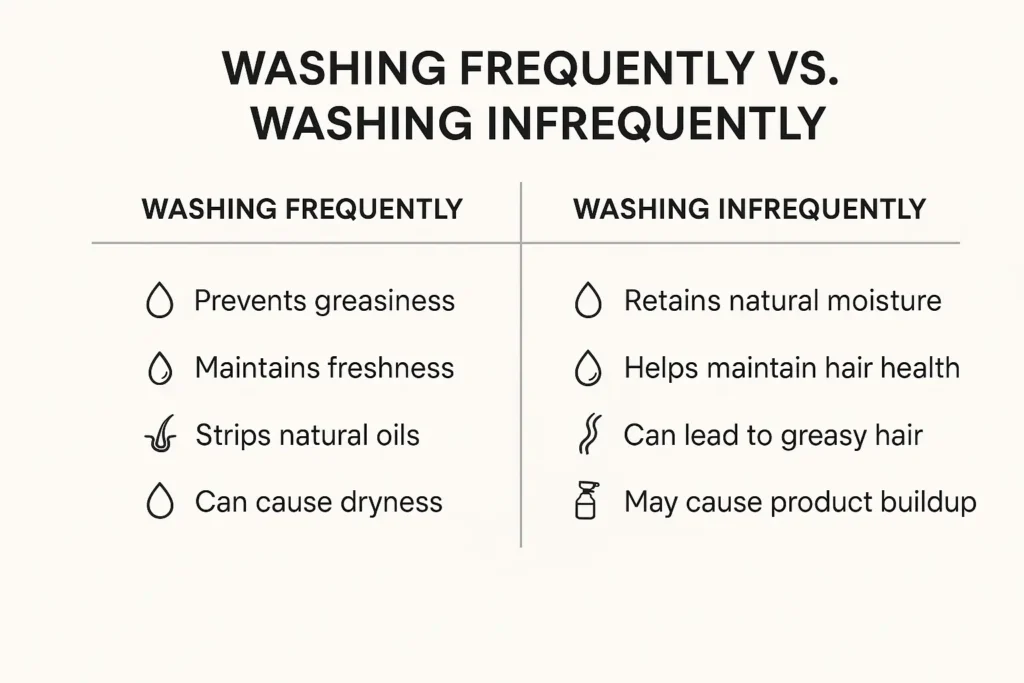
So, if you have dry or curly hair, you might find that washing it too much causes it to feel more brittle or frizzy.
However, it’s important to remember that oily hair requires more frequent washing.
If you go too long without washing, it can lead to buildup, clogged pores, and scalp irritation.
3. The Science of Scalp Health and Oil Production: What You Need to Know
Your scalp naturally produces oils called sebum, which are essential for keeping your hair moisturized, shiny, and healthy. But when oil builds up, it can lead to greasy hair, which is why many people wonder how often they need to wash their hair.
In this section, we’ll dive into how sebum works, why some people need to wash their hair more often than others, and how factors like hormones and the environment play a role in scalp health.
The Role of Sebum in Scalp Health
Sebum are the natural oil produced by your scalp. It is a great thing up to a point. It’s there to protect and nourish your hair. It keeps the scalp hydrated and prevents hair from becoming too dry.
Sebum also has the important job of protecting your hair from damage by acting as a barrier against environmental pollutants and harsh weather conditions.
But here’s where it gets tricky. If your scalp produces too much sebum, it can cause greasy hair and clogged pores, leading to scalp irritation or even dandruff. On the flip side, too little sebum can leave your hair dry and brittle, especially for people with textured or curly hair.
Hormonal and Environmental Factors Affecting Oil Production
You might have noticed that your scalp oil production changes depending on certain times in your life, like during pregnancy, puberty, or menopause. Hormones can have a big impact on how much oil your scalp produces.
For instance, during puberty, many people experience an increase in oil production due to hormonal changes. This can lead to the need for more frequent hair washing to control that oily feeling.
Similarly, pregnancy and menopause can also cause changes in oil production, which may require you to adjust your hair care routine.
Is It Bad to Wash Your Hair Every Day?
Now, let’s revisit the question: Is it bad to wash your hair every day? The answer depends on how much sebum your scalp produces. If you have oily hair and your scalp produces a lot of sebum, washing daily might be necessary to keep your hair feeling clean and fresh.
But for people with drier scalp conditions or hair types, washing every day can strip your hair of its natural oils, which can lead to dryness and breakage. It’s about finding the right balance.
Dermatologist’s Suggestion:
Opt for a sulfate-free, gentle shampoo, condition your hair regularly, massage your scalp to stimulate blood flow, and avoid over washing to maintain your scalp’s natural balance and prevent dryness.
Dermatologists commonly recommend these practices to maintain healthy hair and scalp conditions while preventing damage and dryness caused by harsh chemicals or excessive washing.
4. Understanding Overwashing and Underscrubbing: Finding the Right Balance
There’s one thing you definitely want to avoid: overwashing or underscrubbing. Both can affect your hair health in different ways.
Overwashing can strip your hair of its natural oils, leaving it dry and damaged. On the other hand, not washing your hair enough can lead to product buildup, clogged pores, and even scalp issues.
So, how do you strike the right balance? Let’s explore the risks of both overwashing and underscrubbing, and learn how to keep your hair healthy with just the right amount of care.
The Risks of Overwashing Your Hair
We all know how satisfying it feels to have freshly washed hair, but overwashing can actually do more harm than good.
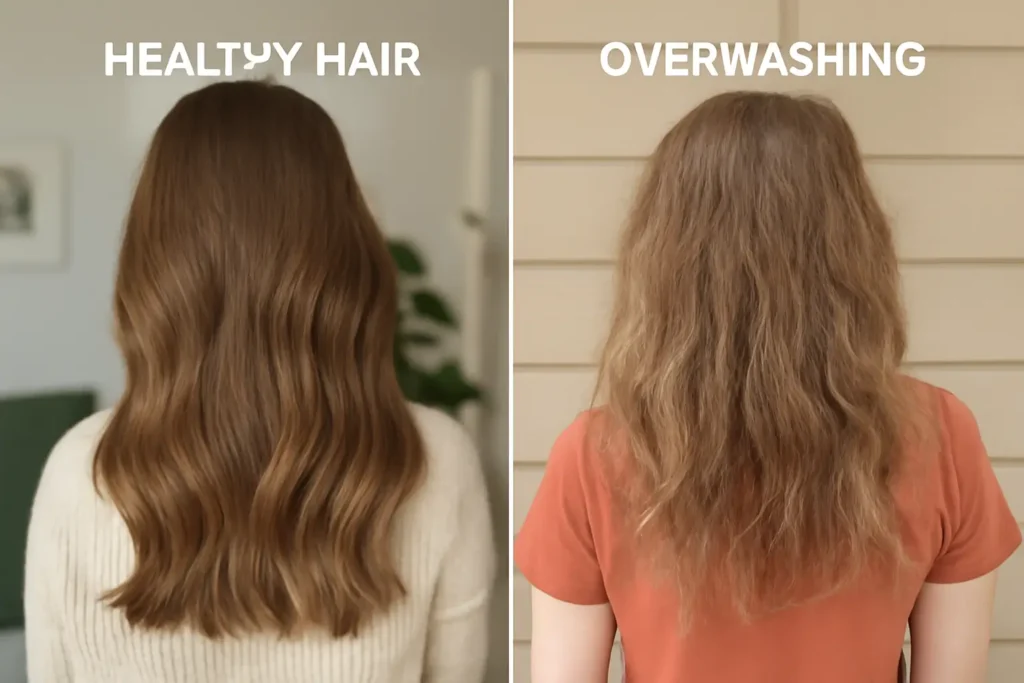
When you wash your hair too frequently, you’re removing the natural oils that your scalp produces. These oils, known as sebum, are essential for keeping your hair moisturized and protected.
Hair washing every day, or too often can leave your hair feeling dry and brittle.
You might even notice more split ends or frizz if you overdo it. This is especially true for people with dry hair, curly hair, or textured hair, where the natural oils are already in shorter supply.
If you find your hair feels dry after washing, it might be a sign that you’re overwashing. Consider cutting back and washing your hair every other day, or even once or twice a week depending on your hair type.
The Dangers of Not Washing Enough
On the flip side, not washing enough can cause problems too.
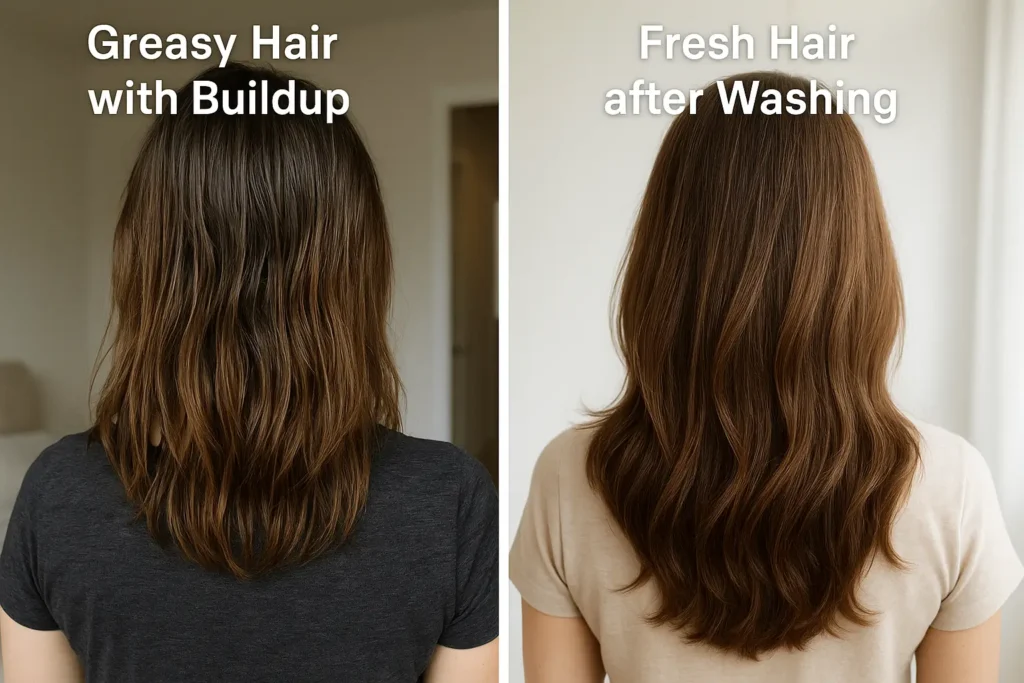
When you go too long without washing your hair, oils and product buildup accumulate on your scalp. This can clog hair follicles, leading to scalp irritation or even dandruff. Your hair might also start to look greasy, weighed down, or flat.
If you have oily hair, skipping washes too often can lead to a greasy scalp, which can make your hair look limp or lifeless. This is particularly common for people with fine or oily hair types, where sebum tends to build up faster.
5. How Hair Treatments Affect Washing Frequency: What You Should Know
If you’ve recently had a hair treatment, like coloring, a perm, or a keratin treatment, you might be wondering how often should you wash your hair post-treatment.
The answer can vary, but generally, after hair treatments, it’s important to wash your hair less frequently to keep it healthy and the results lasting longer.
For example, color-treated hair can be more vulnerable to dryness and damage. Washing it too often can strip the color and leave your hair feeling dull. It’s best to wait 48 to 72 hours after coloring before washing your hair. During this time, the color has time to set.
Similarly, keratin treatments can last longer if you avoid washing your hair too much. Experts usually recommend washing your hair 2-3 times a week after a keratin treatment to preserve the smoothness and shine.
6. How Often Should You Wash Curly or Textured Hair?
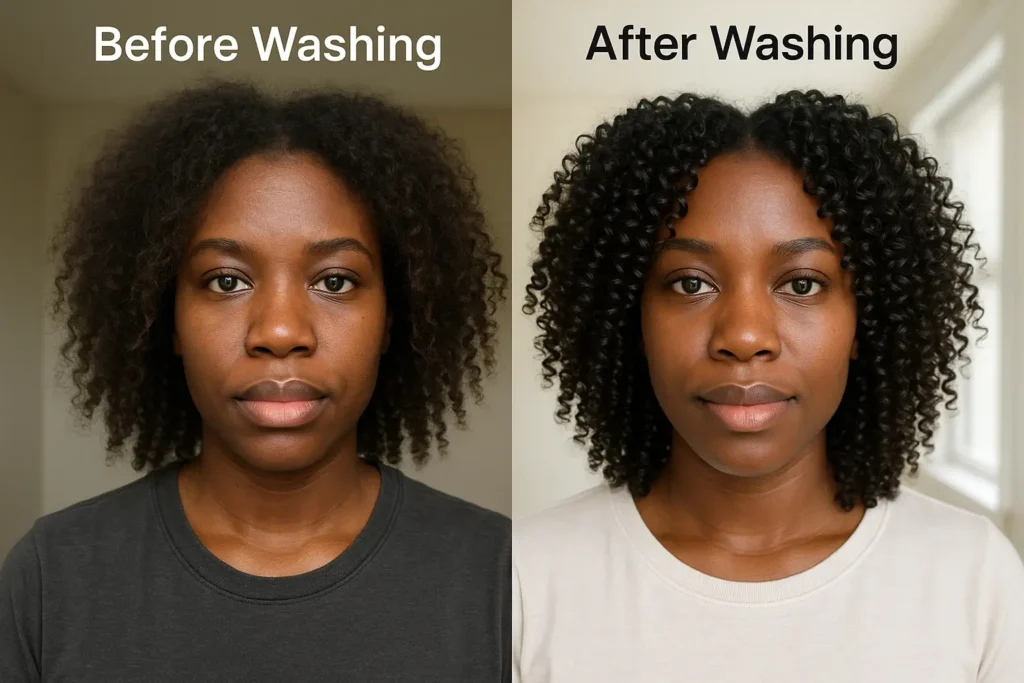
Curly and textured hair has unique needs when it comes to hair washing. If you have curls, you might be wondering how often should you wash your hair to keep it healthy and defined.
Unlike straight hair, curly hair tends to be drier because the natural oils from your scalp have a harder time traveling down the twists and turns of each strand.
Hair care tip: For curly hair, it’s generally best to wash it less frequently, around once a week. This helps preserve the natural oils and moisture your curls need to stay hydrated and bouncy.
Washing curly hair too often can strip away these oils, leaving your curls feeling dry and frizzy. Instead, focus on deep conditioning and using moisturizing products to keep your curls soft and defined between washes.
Washing curly hair too often can strip away these oils, leaving your curls feeling dry and frizzy. Instead, focus on deep conditioning and using moisturizing products to keep your curls soft and defined between washes.
In summary, washing curly or textured hair less frequently can actually help keep your curls healthy and vibrant. Use moisturizing products and experiment with co-washing to find a routine that works best for your hair.
7. Hair Care Alternatives to Frequent Washing: Keep Your Hair Healthy
Frequent hair washing can sometimes strip your scalp and hair of its natural oils, leading to dryness and damage, especially for certain hair types. Thankfully, there are great alternatives to hair washing that can keep your hair fresh and healthy without the need for daily washes.
a) Co-Washing: A Great Option for Curly or Dry Hair
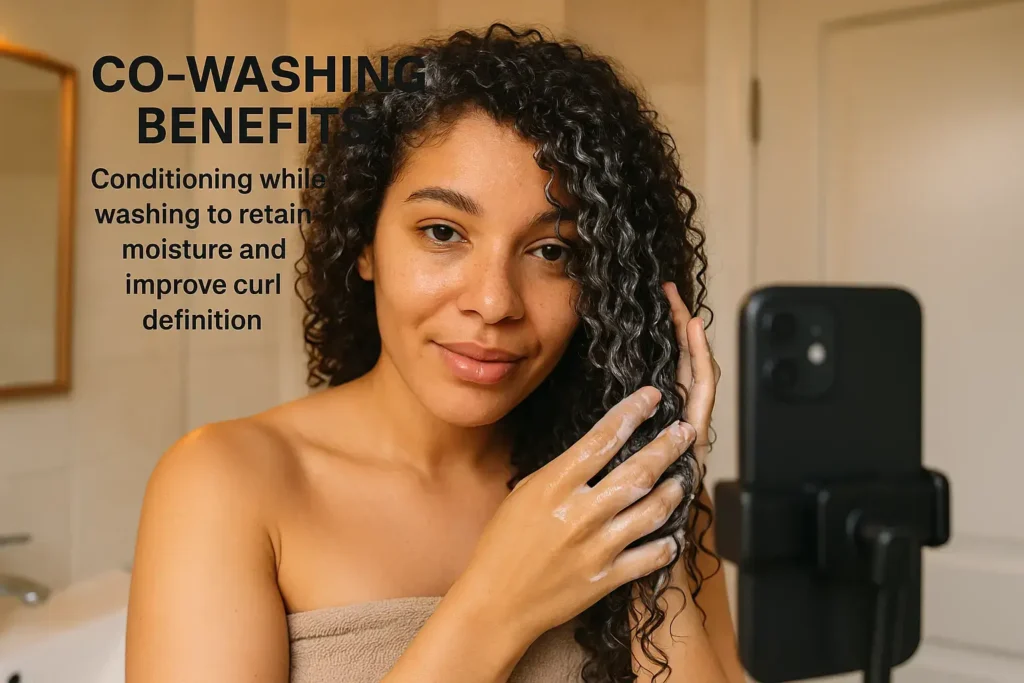
If you have dry or curly hair, co-washing (conditioner-only washing) is a fantastic option.
Instead of using shampoo, you wash your hair with conditioner, which helps to cleanse your scalp without stripping away essential oils.
This method is especially effective for curly hair, as it helps maintain moisture and prevent frizz.
Hair care tip: Choose a conditioner that’s designed for co-washing. Look for products that are sulfate-free and hydrating.
b) Dry Shampoo: Extend Time Between Washes
Another great hair care tip is using dry shampoo. Dry shampoo absorbs excess oil and gives your hair a fresh, clean look without needing to wash it.
It’s a great way to extend time between washes, especially if you have oily hair. Simply spray or sprinkle it on your roots, massage it in, and you’re good to go!
Hair care tip: Dry shampoo works best on second-day hair. Make sure to choose a product that matches your hair color to avoid any white residue.
8. Finding Your Ideal Hair Washing Routine
Finding the right hair washing routine is all about understanding your hair type and how it responds. For instance, oily hair may need more frequent washing, while dry or curly hair benefits from washing less often.
Experiment with different washing frequencies to see what works best for you. Start by washing every other day, or once a week, and adjust based on how your hair feels. You’ll soon find the sweet spot where your hair looks and feels its healthiest.
If you’re still unsure or dealing with persistent scalp issues, it’s always a good idea to consult a professional. A dermatologist or stylist can provide personalized advice based on your specific hair needs.
Pingback: The Ultimate Guide to Hair Care in 2025 (USA Edition): Tips, Trends & Products for Every Hair Type - purellelife.com
Pingback: High Porosity Hair: What It Means | Causes | Care Routine